Eco-Artisans Explore Creativity and Connection
July 26, 2026
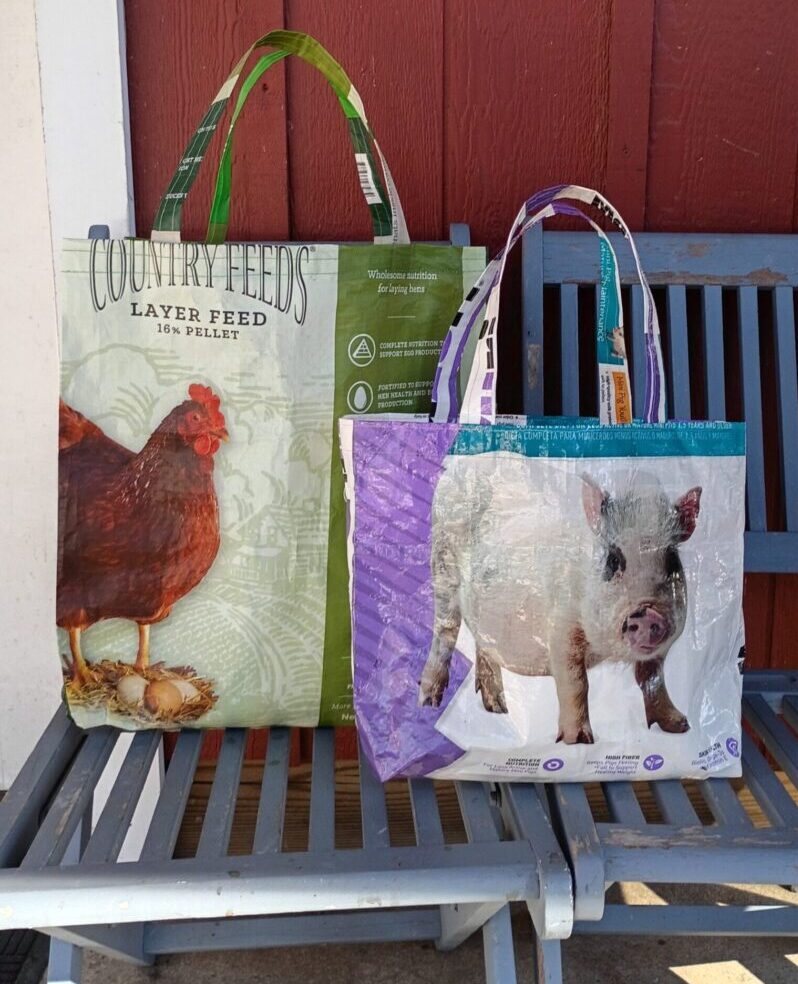
Eco-Artisans at the Cuvilly Arts & Earth Center cleverly repurposed pillows into dresses, old sweaters into winter accessories, and animal feed bags into tote bags, for donations to groups in need.
By Sister Pat Toce, SNDdeN
The Cuvilly Arts & Earth Center (Cuvilly) is a ministry of the Sisters of Notre Dame de Namur in Ipswich, Massachusetts. Through educational programs and community-building, Cuvilly inspires people of all ages to explore their creativity and connection to the Earth. Its mission embraces ecological justice and models sustainability, grounded in the belief that all life is sacred and that the diversity of life is essential to the planet’s well-being.
The Eco-Artisans group formed in the fall of 2024 as part of a lifelong learning initiative rooted in the Sisters’ commitment to Laudato Si’ and Cuvilly’s mission to care for the Earth. Its focus is practical: tackling textile waste and fiber pollution by repurposing fabrics and other materials before they reach the landfill.
The scale of this problem is staggering. According to Earth.org, approximately 11 million tons of textiles end up in U.S. landfills every year, much of it driven by “fast fashion.” Synthetic fibers like polyester can take more than 200 years to decompose, leaching toxic chemicals into soil and water and releasing greenhouse gases along the way, according to EPA data.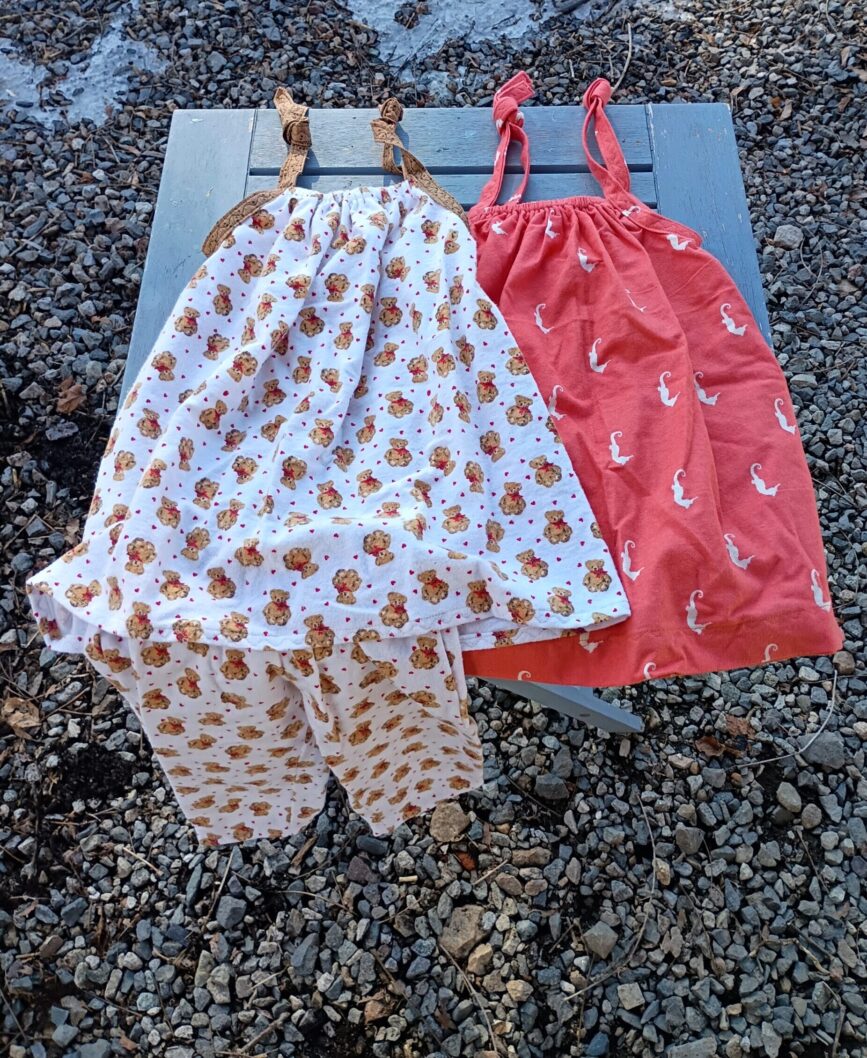
The Eco-Artisans have already taken on a range of repurposing projects: dresses made from pillowcases, tote bags from animal feed bags, mittens and gloves from old wool sweaters, and toddler pajama bottoms from fleece and cotton. Many of these items are donated to groups in need. For Halloween, the group designed costumes for Cuvilly teachers using only recycled materials.
The possibilities are endless —m limited only by your imagination. Countless tutorials are available online, and many organizations are eager to receive handmade donations. Your effort can make a real difference.
You can also act right now by disposing of textile waste responsibly. In Massachusetts, it is illegal to throw textiles— clothing, linens, curtains or fabric scraps—in the trash. If clean, dry and odorless, all textiles must be recycled or donated, even if torn or stained. Check www.Mass.gov or your local government website for the options available to you.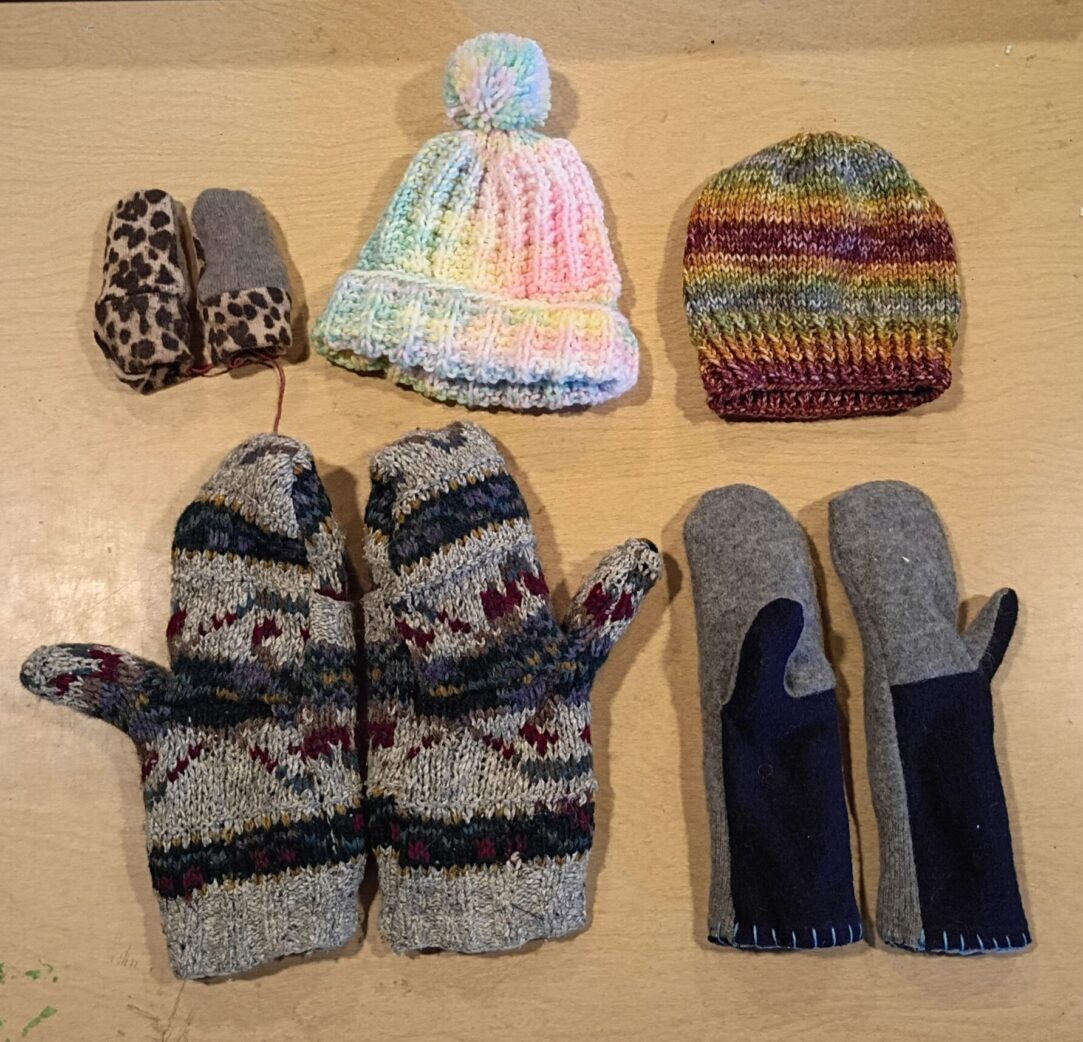
Every textile you divert from the landfill is a small but meaningful act for the Earth. ❊